Wholesale-first · factory-direct pricing · Bulk & custom-volume discounts|For laboratory research use only. Not for human or animal consumption.
CertiPeptideRESEARCH PEPTIDES
Sign in
Orexin A

Orexin A

Research Peptide | Lyophilized Powder | Batch Tested

Tested for
Purity
Size
$232.00
$4.64/mg
In StockLatest batch: OA5-260601
1

For laboratory research use only. Not for human or animal consumption. Insulated shipping · Styrofoam box available.

Product Overview

Orexin A (hypocretin-1) is a neuropeptide produced in the hypothalamus that is central to the regulation of wakefulness, arousal, appetite and reward. Loss of orexin signaling is strongly linked to narcolepsy, making it a key target in sleep neuroscience.

Batch OA5-260601Tested Jun 1, 2026
TestResultStatus
Purity98.3%Passed ✓
Batch OA10-260601Tested Jun 1, 2026
TestResultStatus
Purity99.1%Passed ✓
500+ Certificates of Analysis
6+ Years of Testing
Best $/mg
Tested for More Than Purity
Batch # on Every Vial

Research Information

Orexin A is used to study signaling at the OX1 and OX2 receptors and its role in stabilizing wakefulness, regulating the sleep-wake transition, and coordinating energy homeostasis and motivated behavior in neuroscience models. Supplied strictly for in-vitro and laboratory research use only — not for human or animal consumption.

Orexin A Research & Studies

What is Orexin A?

Orexin A, also known as hypocretin-1, is a hypothalamic neuropeptide that has been extensively characterized in laboratory neuroscience research. It is produced by a discrete population of neurons in the lateral hypothalamus and is studied for its involvement in arousal-related signaling pathways. Research models examine Orexin A as a ligand that interacts with orexin receptors to influence neural circuits governing vigilance states. Investigations focus on its peptide structure, receptor selectivity, and distribution within experimental systems.

Mechanism of Action

In experimental systems, Orexin A is investigated for its binding affinity and activation of the G-protein-coupled receptors OX1 and OX2. Receptor engagement is studied for subsequent intracellular signaling cascades, including calcium mobilization and modulation of neuronal excitability. Laboratory work explores how these pathways contribute to the stabilization of wake-promoting networks and the coordination of hypothalamic outputs. Research emphasizes differential receptor pharmacology and pathway crosstalk observed in cellular and tissue preparations.

Primary Areas of Research

Orexin A is primarily studied in models of sleep-wake regulation, where it is used to probe transitions between vigilance states and the maintenance of arousal. Additional research areas include energy homeostasis circuits and the integration of metabolic signals with motivated behavior pathways. Investigators also examine orexinergic projections and their interactions with monoaminergic and cholinergic systems in vitro and in controlled laboratory models. These studies aim to map how orexin signaling interfaces with broader hypothalamic and brainstem networks.

Key Research Findings

Laboratory investigations have established that disruption of orexin signaling is strongly associated with narcolepsy-like phenotypes in research models, highlighting its role in sleep-wake stability. Studies of OX1 and OX2 receptor pharmacology have clarified distinct and overlapping contributions of each receptor subtype to arousal and appetitive circuits. Experimental data further indicate that Orexin A participates in the coordination of energy balance and reward-related neural activity under controlled conditions. Findings consistently position the peptide as a central node in hypothalamic integrative functions.

Research Handling & Considerations

Orexin A is supplied strictly for in-vitro and laboratory research applications and is not intended for any form of consumption or administration. Standard peptide handling practices apply, including appropriate storage conditions to preserve structural integrity and activity in experimental assays. Researchers should consider receptor selectivity profiles and assay-specific variables when designing studies involving OX1 or OX2 pathways. All work must remain confined to approved research model systems and institutional protocols.

Frequently Asked Questions

Orexin A is studied for its activity at both OX1 and OX2 G-protein-coupled receptors, with investigations focusing on binding, signaling, and downstream neuronal effects in laboratory systems.

Explore Other High-Purity Peptides

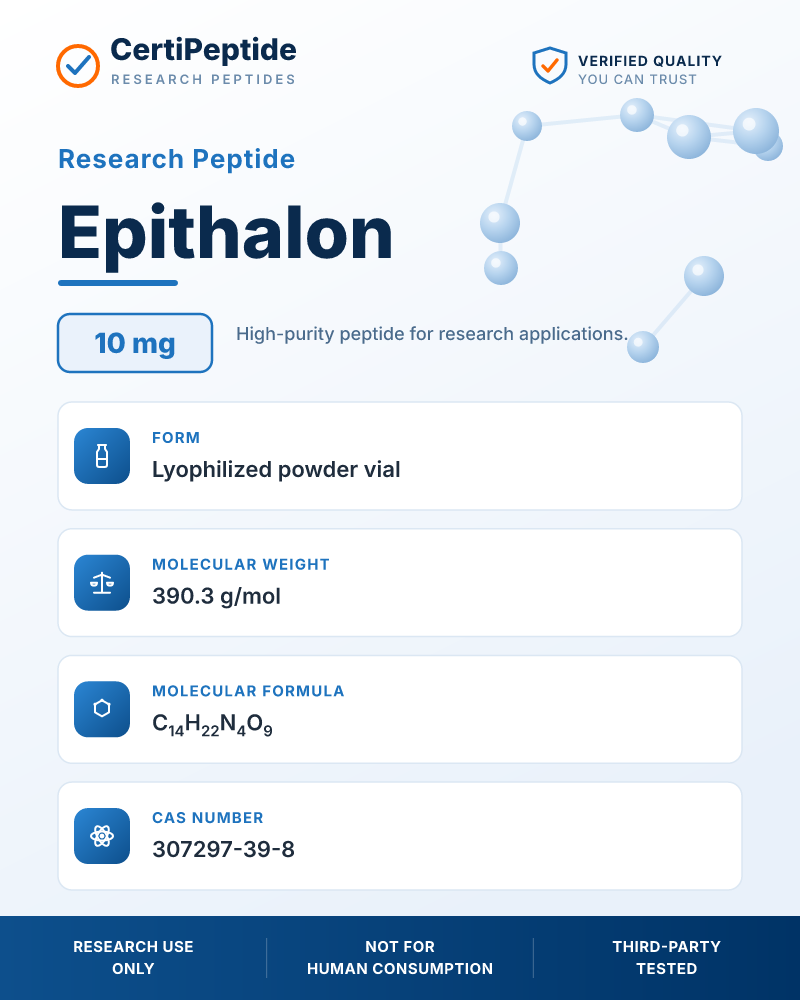
Epithalon
Cognitive & Short Peptides99.55% pure

Epithalon

From$40.00($0.40/mg)
10 vials × 10 mg · 100 mg total
Wholesale · bulk discountsIn Stock
DSIP
Cognitive & Short Peptides99.1% pure

DSIP

From$45.00($0.90/mg)
10 vials × 5 mg · 50 mg total
Wholesale · bulk discountsIn Stock
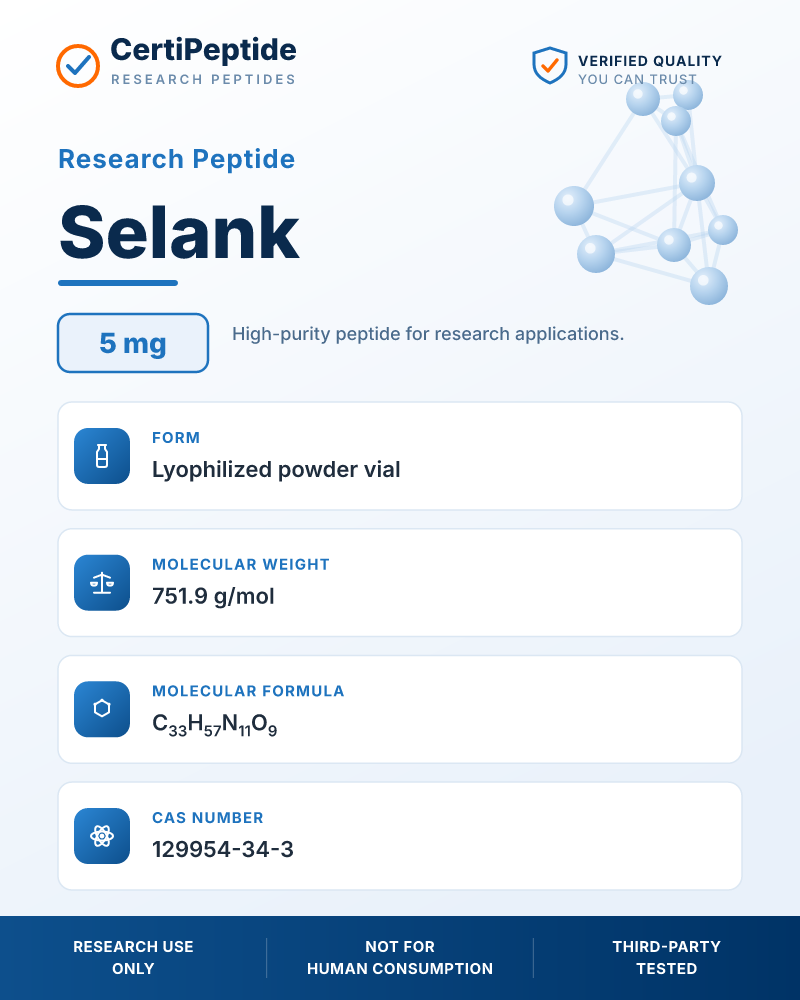
Selank
Cognitive & Short Peptides98.8% pure

Selank

From$45.00($0.90/mg)
10 vials × 5 mg · 50 mg total
Wholesale · bulk discountsIn Stock
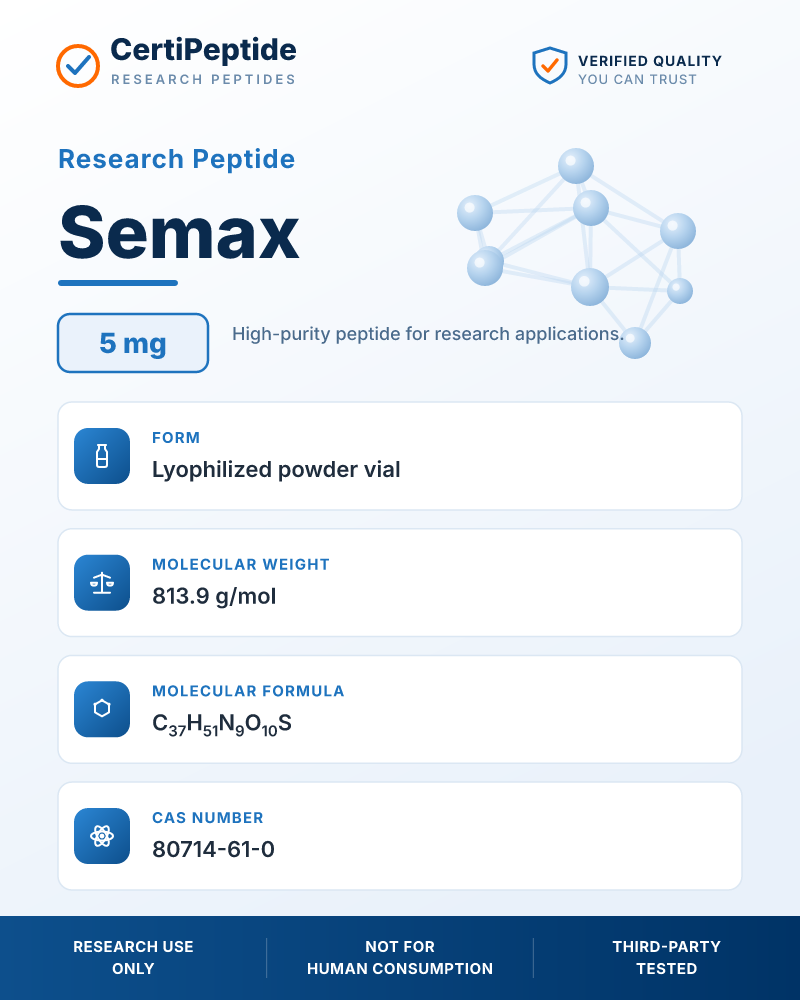
Semax
Cognitive & Short Peptides99.3% pure

Semax

From$43.00($0.86/mg)
10 vials × 5 mg · 50 mg total
Wholesale · bulk discountsIn Stock