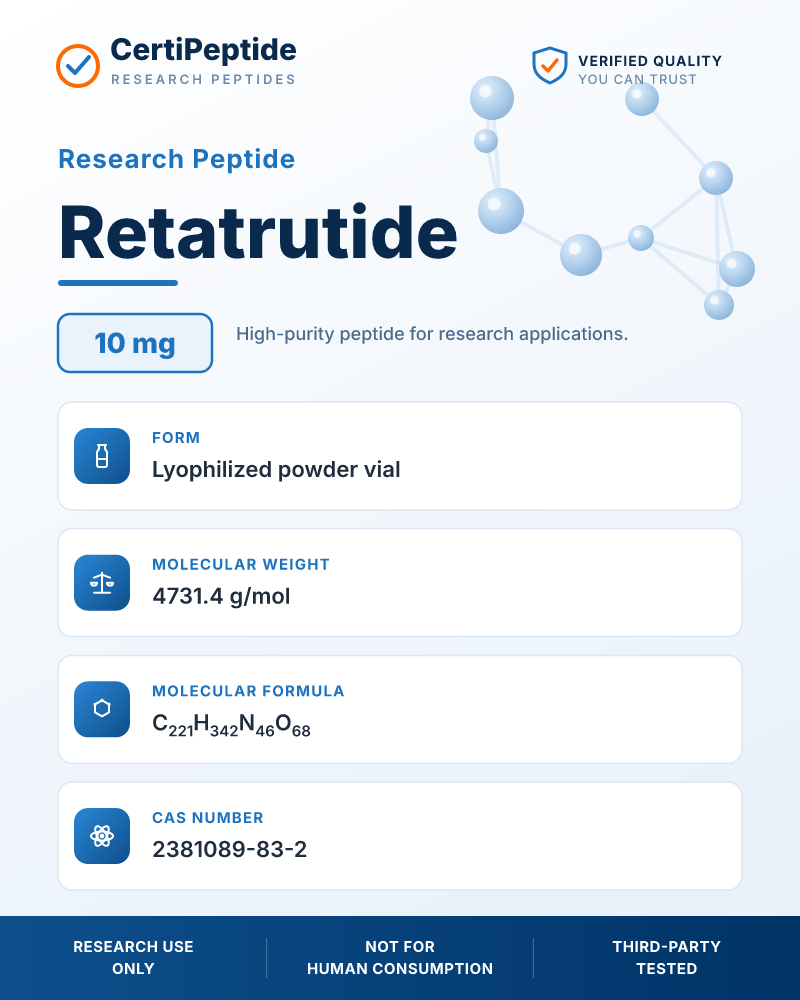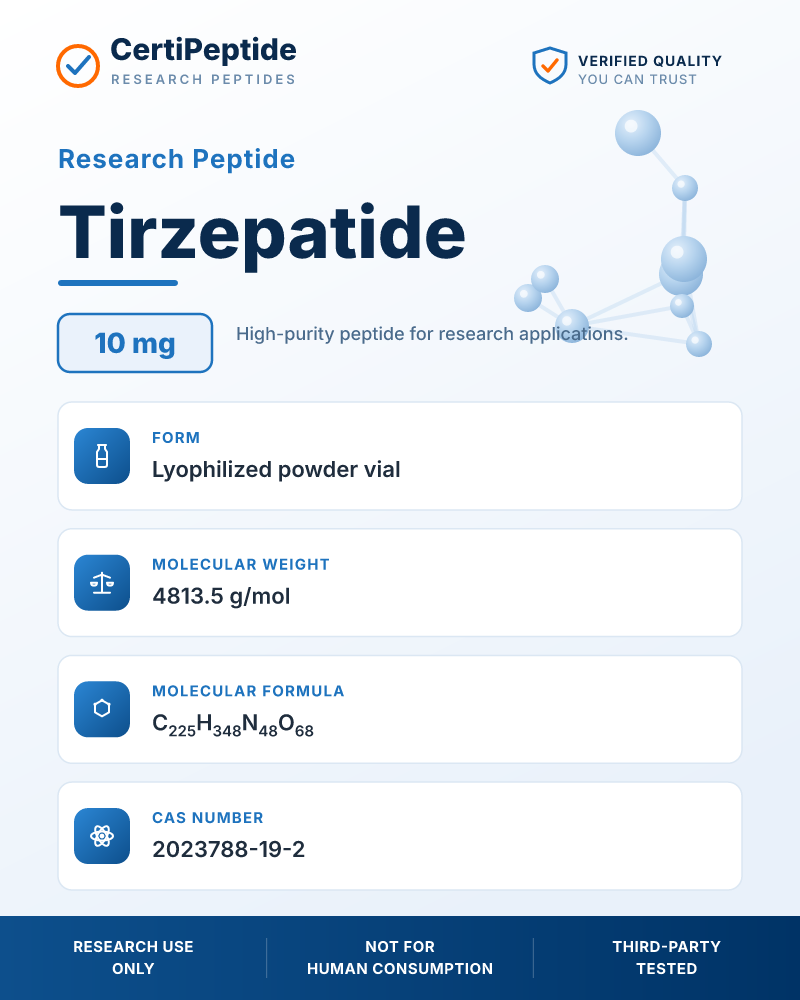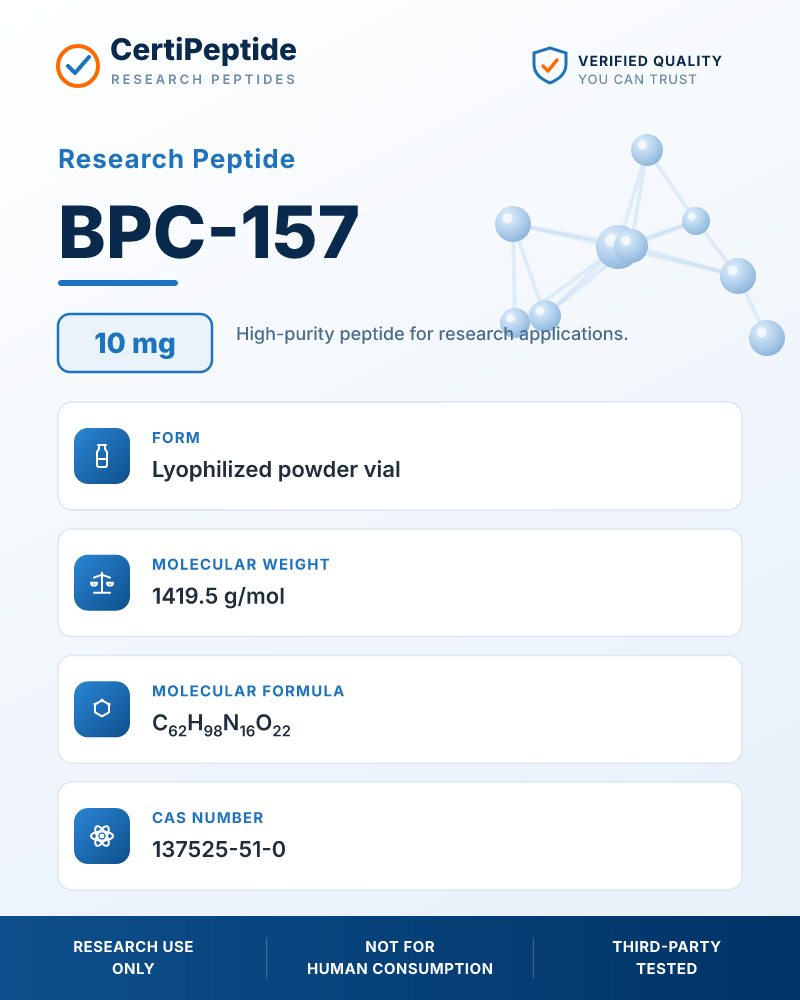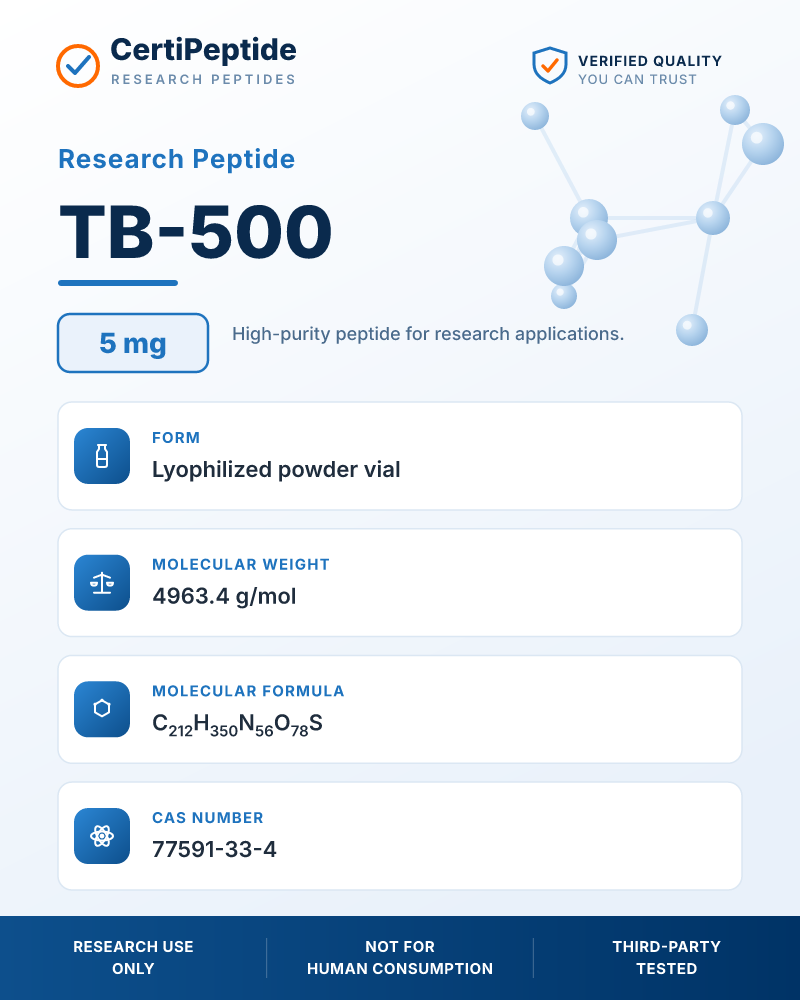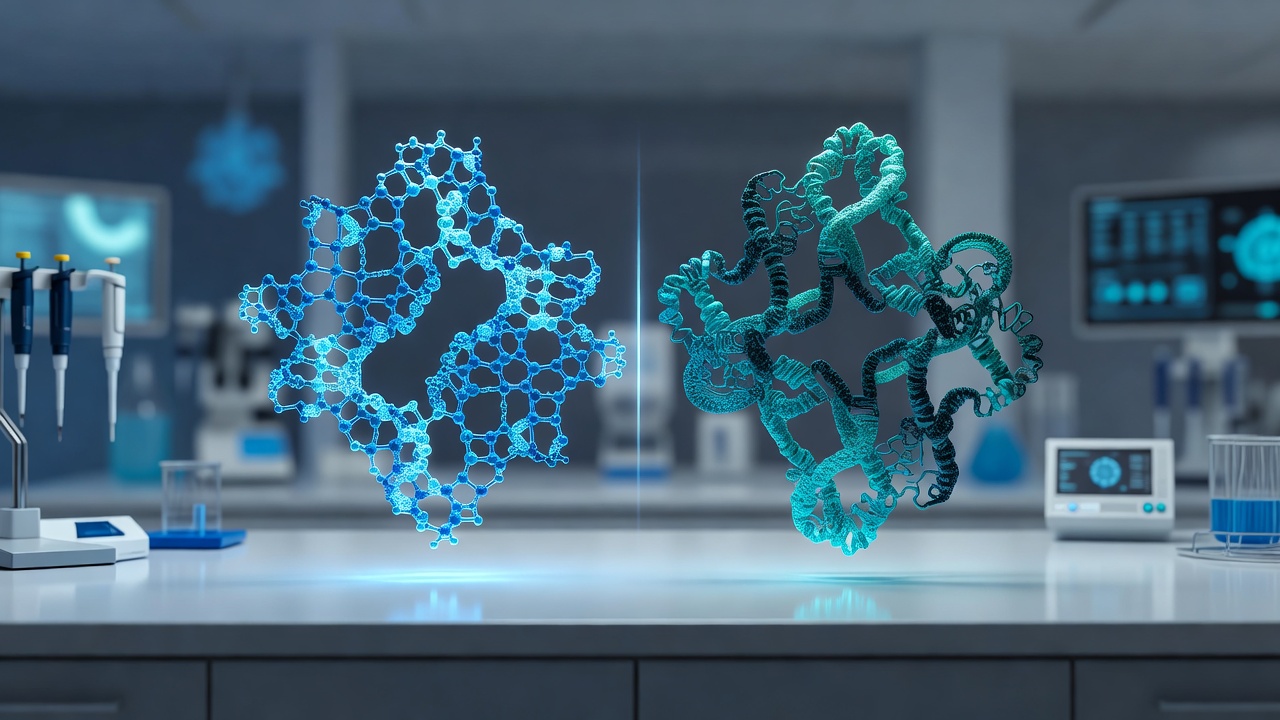
TL;DR: Laboratory studies examine Retatrutide + Tirzepatide Blend vs BPC-157 + TB-500 Blend for distinct peptide pathways in research models, with the former linked to metabolic receptor research and the latter to tissue repair pathways.
Retatrutide + Tirzepatide Blend vs BPC-157 + TB-500 Blend in Research
Retatrutide + Tirzepatide Blend vs BPC-157 + TB-500 Blend represents two distinct peptide combinations used exclusively in controlled laboratory settings. Researchers investigate these blends to explore separate mechanistic pathways without any implication for human application.
Metabolic Pathway Research
The Retatrutide + Tirzepatide Blend is studied in vitro for its potential interactions with GLP-1, GIP, and glucagon receptors. In cell-based assays and animal models, investigators examine receptor binding affinities and downstream signaling cascades related to glucose homeostasis and energy expenditure markers.
Tissue and Cellular Repair Research
In contrast, the BPC-157 + TB-500 Blend is evaluated in laboratory protocols focused on actin sequestration, angiogenesis markers, and extracellular matrix modulation. Research models often include wound healing assays and fibroblast migration studies to assess these peptides' roles in cellular repair mechanisms.
Key Differences Observed in Studies
Research highlights clear distinctions. Retatrutide + Tirzepatide Blend investigations center on endocrine and metabolic endpoints, while BPC-157 + TB-500 Blend studies emphasize structural protein interactions and inflammatory cytokine profiles in isolated tissues. These differences guide separate experimental designs in peptide research.
Similarities in Laboratory Applications
Both blends are supplied as research-use-only materials for non-clinical experiments. Similarities include their formulation as lyophilized powders for reconstitution in buffer solutions and their application in high-throughput screening assays. Scientists note that both require strict adherence to cold-chain storage protocols during in vitro work.
Use in Research Protocols
When designing studies, investigators select Retatrutide + Tirzepatide Blend for metabolic receptor profiling or BPC-157 + TB-500 Blend for motility and repair assays. Comparative research remains limited to parallel arm experiments in rodent or cell models to map divergent biological responses.
Further sections would expand on assay methodologies, stability data under varying pH conditions, and analytical HPLC characterization techniques used to verify peptide purity across batches intended solely for laboratory investigation.
Frequently Asked Questions
What research models are used with Retatrutide + Tirzepatide Blend?
Studies typically employ cell culture systems and rodent metabolic models to examine receptor interactions in controlled lab environments.
How does BPC-157 + TB-500 Blend differ in research focus?
Laboratory work with this blend often targets cellular migration and matrix remodeling assays rather than metabolic endpoints.
Are these blends interchangeable in studies?
No, research protocols assign each blend to distinct experimental objectives based on their observed pathway engagements.
What storage conditions apply to both blends for research?
Both require lyophilized storage at -20°C or lower with protection from moisture until reconstitution for in vitro use.
Explore Further
Browse our [research peptide catalog](/shop) and review third-party [lab reports & COAs](/lab-reports) for every batch.
---
**Research use only.** The information above is provided for educational and laboratory research purposes only. The compounds discussed are not approved for human or veterinary use, diagnosis, treatment, or the prevention of any disease. Nothing here is medical advice.